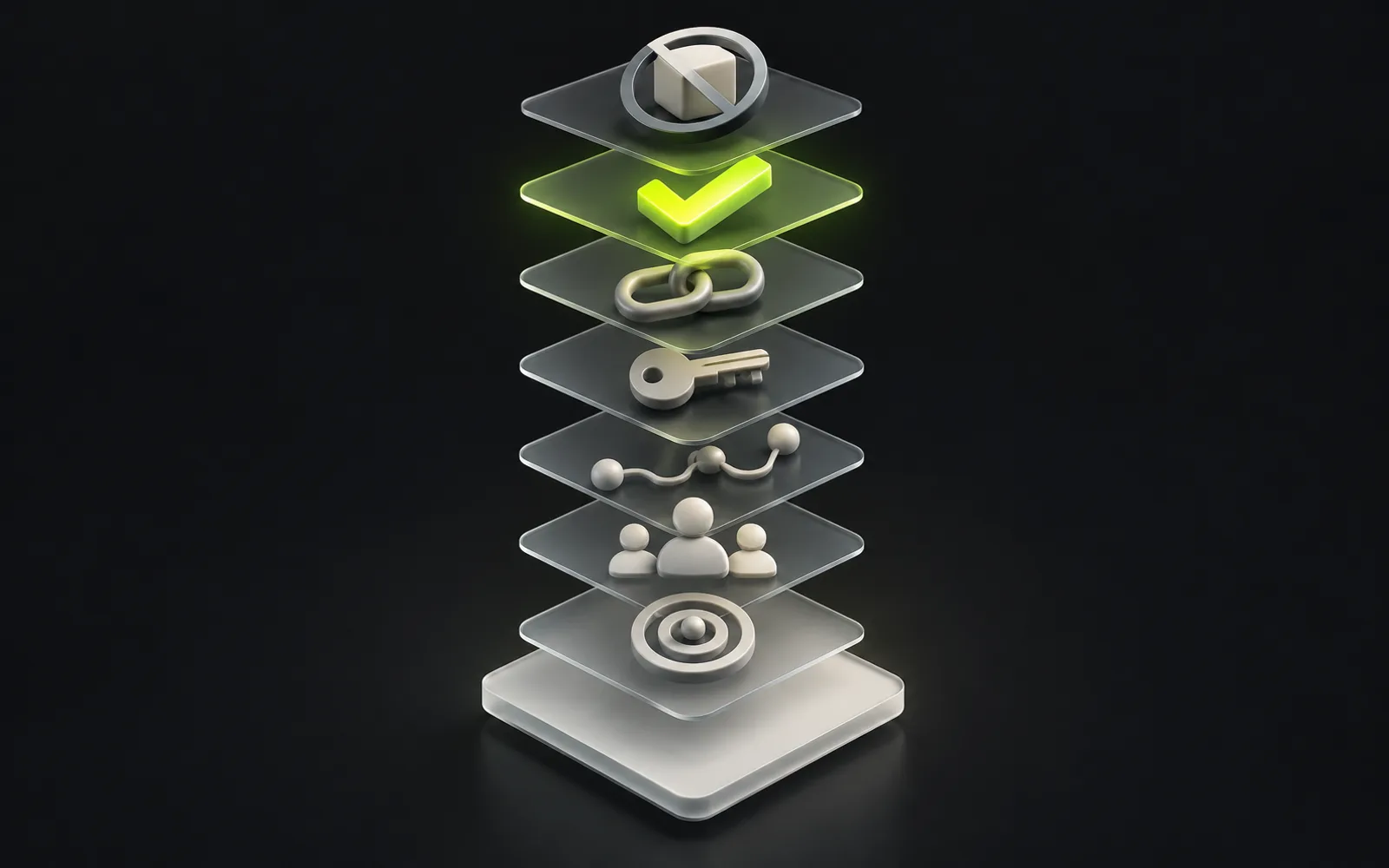
A brief at InterLAB is a free meeting where we unpack the task rather than sell. Prepare three things: what the product should do (in your own words), who will use it, and which systems it needs to exchange data with. After the brief you get an estimate broken down by stage, a "first phase / second phase" map and a list of what's not included in the first version. For websites we also make a free mockup of the main screen in 2–3 days.
Contents
Why a brief is needed
A brief isn't a formality before the sale — it's the first working stage of the project. Its job is to turn an idea into a description from which the timeline and budget can be honestly calculated. Without it, any number is a bet on "we'll fit into the average".
00
₸ — the brief and estimate are free
1–21–2
days for an estimate broken down by stage
2–32–3
days for a main-screen mockup for websites
What to prepare
You don't need a specification. Answers to these questions are enough — even rough ones:
- The task in your own words: what the product should do and why the business needs it
- Who the users are and in what situation they'll use it
- Examples: products you like or dislike, and what exactly about them
- Systems that need data exchange: 1C, CRM, payments, Kaspi
- A budget and timeline reference — even a very rough one
- Who makes decisions on your side
How the meeting goes

Task and goal
What problem the product solves and how you'll know it works: leads, hours saved, fewer errors.
Users and scenarios
Who comes to the product and what they do step by step — the most valuable part of the conversation.
Integrations and data
Which systems it exchanges data with, where the source of truth is, what data gets migrated.
Constraints
Budget, timeline, mandatory requirements and risks that are better known up front.
Next steps
We agree on what you'll receive after the meeting, and when.
What you get after the brief
- A timeline and cost estimate broken down by stage — after reviewing the task
- A "first phase / second phase" map: what launches right away, what gets developed later
- A list of what's not included in the first version — the budget's chief protector
- A proposed format: MVP sprint, turnkey product or technical partnership
- For websites — a free main-screen mockup in 2–3 days

What shouldn't happen at a brief
A few signs that the meeting has turned into a sales pitch instead of unpacking the task:
- A price is named before you've been asked about scenarios and integrations
- A timeline is promised without discussing scope
- Pressure along the lines of "sign today — the price goes up tomorrow"
- Agreement to everything without a single "do we really need this in the first version?"
A good brief ends with you understanding your own project better — regardless of who you end up building it with.